Where It Starts
Built Big From the Beginning
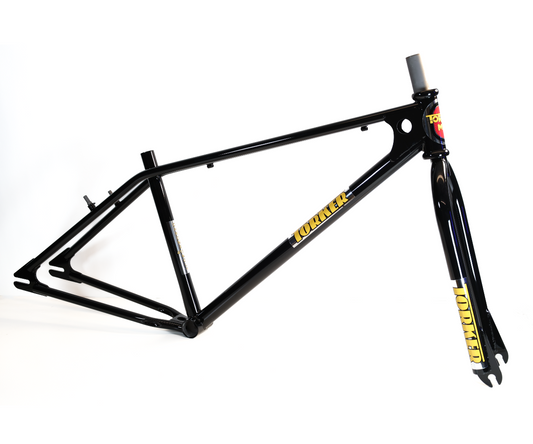
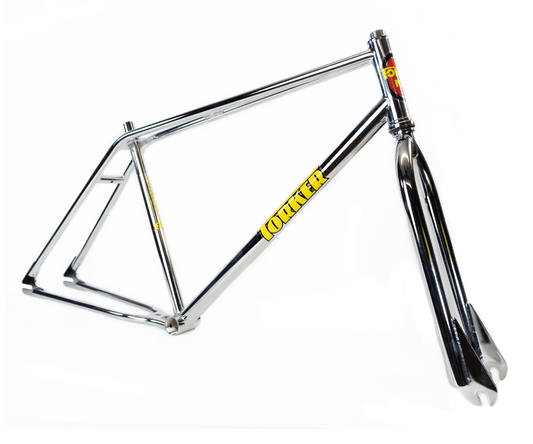
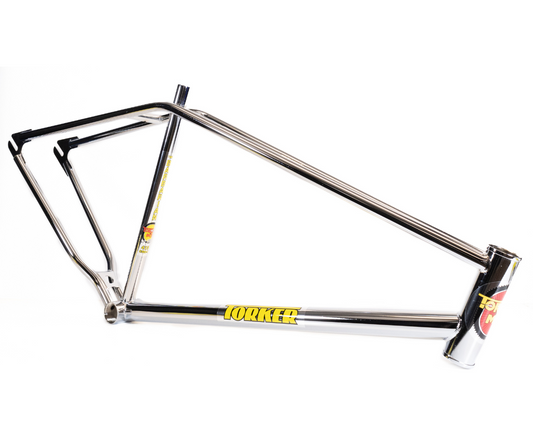
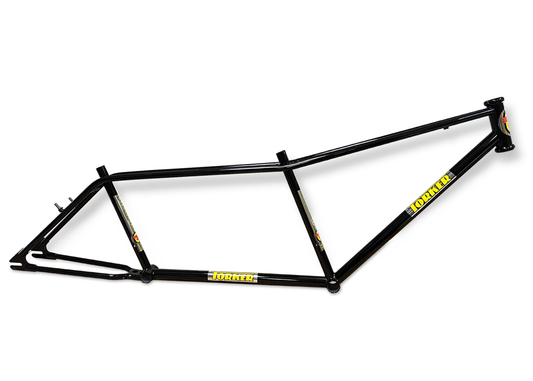
In 1976, Kevin McNeal needed a frame that fit him. None of the BMX frames available did. So John Johnson at Torker built the MX — pro-size, 20-inch top tube, forward-facing dropouts, chromoly rails. BMX Action called it a "Fiendishly Seductive Racing Bike." That frame launched a brand. The idea of building BMX for a bigger rider has been in Torker's DNA since day one.
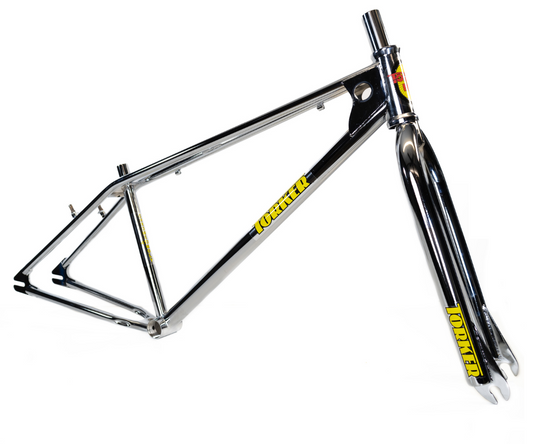
By 1981, Torker had a 26-inch Cruiser — joining a brief moment when the whole industry went big. SE had the OM Flyer. Mongoose had the Kos Kruiser. Schwinn had the King Sting. DG, Powerlite, CW, GT, and the Nomorea Cruiser all had 26-inch bikes in the lineup. A handful of pros took them seriously and actually raced: Scot Breithaupt, Jeff Kosmala, Clint Miller on the Torker 26-inch Cruiser, and Turnell Henry. Then every brand walked away. The 26-inch format disappeared from BMX for twenty years.
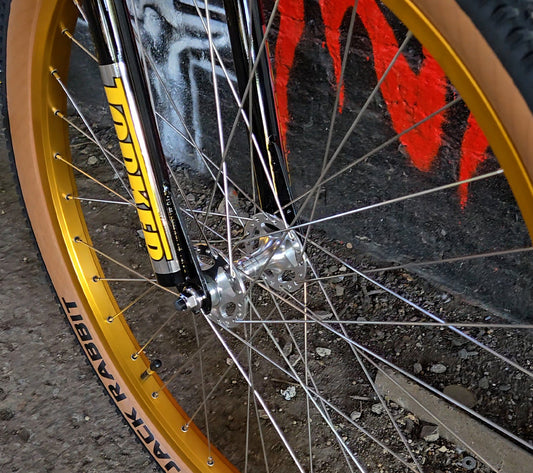
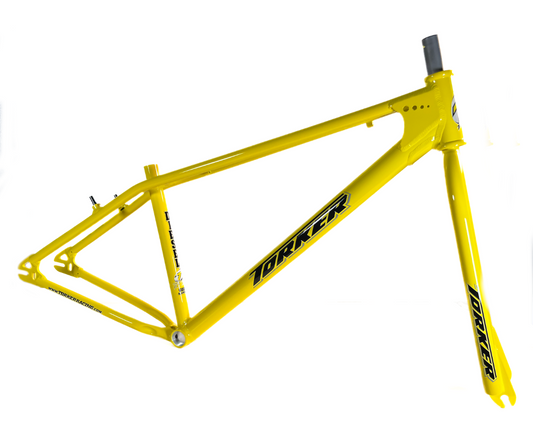
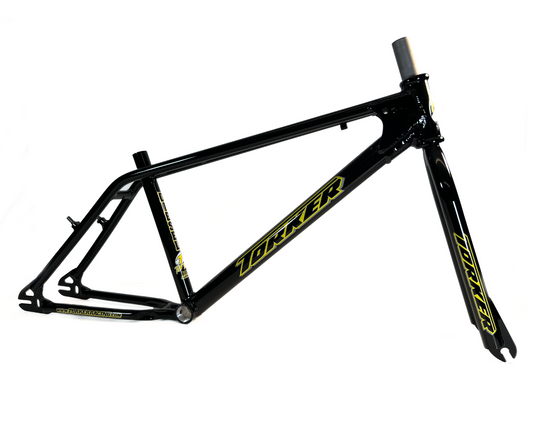
What's come back since — the MX26 and MX29, the Barbarian 26, the Fiola Freestyle 26, the Diesel 26 and 29, the Freestylist 26 and 29 — isn't just a nod to that early-80s moment. It's a proper program, built for a generation of riders who deserve more than a scaled-up kids' race frame.
"Kevin McNeal was a California State Champion. He won the Grandnationals. The original MX was built for him because nothing else fit — a bigger rider with a brutal style. We named the MX26 and MX29 in his honor. That's not marketing. That's history."
Every Big Bike we build today traces back to that original thinking. The Barbarian 26 carries Clint Miller's legacy — the man who won the first IBMXF World Pro Championship ever held, on a Torker LP, in 1980. The Freestylist carries Martin Aparijo's 1984 design, a frame so rare fewer than 75 were ever built. The Fiola carries Eddie Fiola, who rode Torker early in his career before becoming one of the most recognized names in the history of the sport. These aren't names we borrowed. They're names that belong here.

 Restocking Soon
 Coming Soon